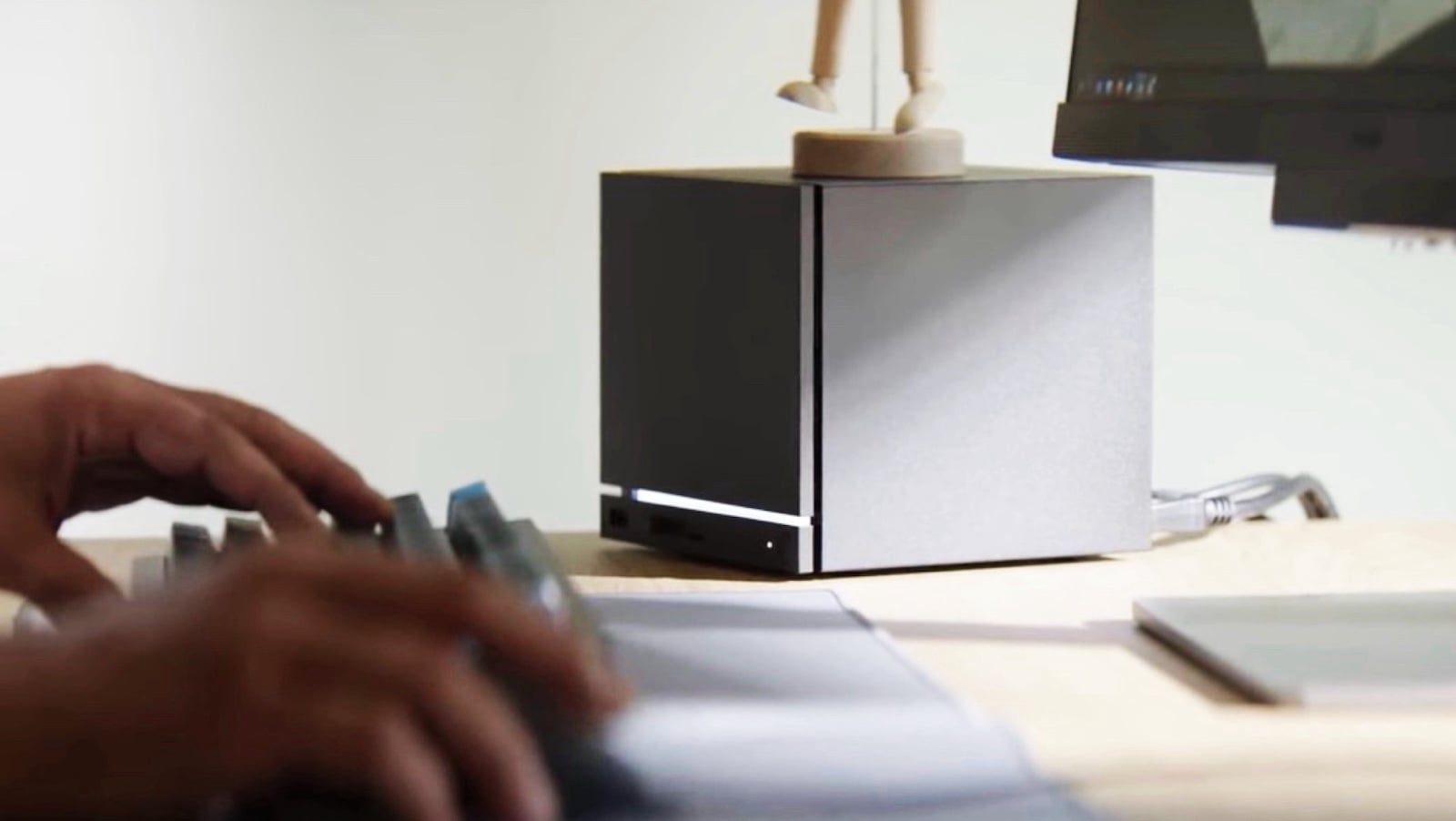


Valve’s new Steam Machine is a compact, SteamOS‑powered gaming system aimed at bringing PC gaming to the living room with console‑style simplicity. The device is positioned as a bridge between the Steam Deck handheld experience and full desktop gaming.
Design and Form Factor
The Steam Machine adopts a small, cube‑like silhouette that emphasizes living‑room placement and TV connectivity. Its front panel includes a customizable LED status bar that communicates downloads and system activity in a visually distinct way.
Living Room Focus
Valve designed the hardware to be used primarily with a TV and a dedicated controller, shifting the Steam experience from portable screens to shared, couch‑based play. The system’s size and cooling approach prioritize quiet operation during long sessions.
Hardware and Performance
Under the hood, Valve lists a semi‑custom six‑core AMD Zen 4 CPU paired with an RDNA3 GPU configuration intended to deliver significantly higher performance than the Steam Deck. These components aim to support modern PC titles at TV resolutions with stable frame rates.
Performance Targets
Valve claims the Steam Machine will offer roughly multiple times the raw power of the Steam Deck, enabling higher fidelity settings and smoother performance on larger displays . The hardware balance favors sustained performance over peak bursts.
Expandability and Ports
The system includes a range of I/O for external storage, networking, and peripherals, making it suitable as both a living‑room console and a compact desktop replacement. Users can expect standard ports for controllers, Ethernet, and external drives.
Software and Controls
SteamOS remains the platform backbone, with an interface optimized for controller navigation and big‑screen browsing. Valve has updated the UI to surface the Steam Library and friends features more prominently for TV use.
Controller and Input
A new Steam Controller accompanies the Machine, refined for precision and comfort on the couch. The controller integrates touch and haptic elements to bridge mouse‑and‑keyboard titles to a gamepad‑centric environment.
Compatibility and Streaming
The Steam Machine supports native Steam titles and streaming from a PC on the same network, allowing users to play demanding games remotely while the Machine handles input and display duties.
Ecosystem and Services
Valve positions the Steam Machine as part of a broader hardware ecosystem that includes handhelds and VR, aiming for seamless access to a single Steam Library across devices. Cross‑device saves and cloud features are emphasized.
Game Experience
For many players, the appeal lies in playing PC games on a TV without a full desktop, preserving mod and community content where supported while simplifying setup and updates.
Market Timing
Valve has indicated a targeted early 2026 release window for the Steam Machine, though pricing and exact availability remain to be confirmed. Preorders and regional rollouts will likely follow a staged schedule.
Competitive Position
The Steam Machine seeks to occupy a niche between consoles and gaming PCs, offering a curated, Valve‑driven experience that leverages Steam’s catalog and community features.
Final Thoughts
If Valve delivers on performance, polish, and ecosystem integration, the Steam Machine could become a compelling option for players who want PC gaming on the big screen without the complexity of a full desktop build.