M5 MacBook Air vs. M4 MacBook Air: Which One Truly Moves the Needle?
The M5 MacBook Air arrives as Apple’s latest iteration of its ultra‑portable laptop, building on the strong foundation set by the M4 model. At first glance, the two machines look nearly identical, but the differences become clearer once you look at performance, efficiency, and long‑term value. This comparison explores how the new generation refines the Air experience and whether the upgrade makes sense for different types of users.
The most noticeable shift comes from the new M5 chip, which focuses on higher sustained performance without compromising the Air’s signature efficiency. While the M4 was already fast for everyday tasks, the M5 pushes multitasking and heavier workloads further, especially in areas like photo editing, code compilation, and AI‑assisted workflows. The improvement isn’t dramatic for light use, but it becomes meaningful for users who push their machines harder.
Battery life remains a defining strength of the Air lineup, and the M5 model extends it slightly thanks to architectural refinements. The difference may not be huge on paper, but in real‑world use it translates into an extra hour or two of mixed activity. For students, travelers, and remote workers, that extra buffer can make the device feel more dependable throughout the day.
Thermal performance also sees subtle but important gains. The M4 Air already ran cool and silent, but the M5 version maintains higher speeds for longer before throttling. This matters most for sustained tasks such as exporting large video files or running complex simulations. The Air still isn’t a replacement for the Pro line, but the gap narrows a bit more with this generation.
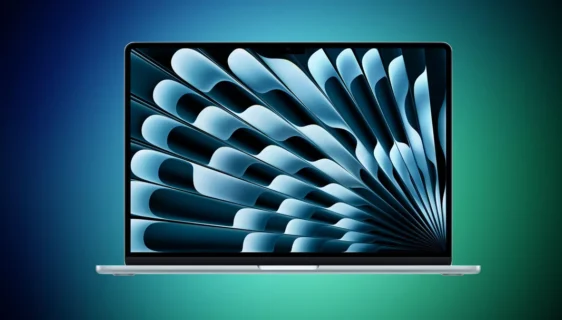
Design remains unchanged between the two models. Both offer the same slim profile, lightweight build, and durable aluminum enclosure. Apple’s decision to keep the same chassis means accessories, sleeves, and stands remain compatible. For users who value portability above all else, both machines deliver the same experience.
The display also stays consistent, with the same brightness, color accuracy, and resolution. Apple’s Liquid Retina panel continues to offer crisp visuals and reliable color reproduction. While some hoped for a higher refresh rate, Apple keeps that feature exclusive to the Pro models, making the Air’s screen perfectly adequate but not cutting‑edge.
Storage and memory configurations remain similar as well, though the M5 Air benefits from slightly faster internal storage speeds. This helps with file transfers and app loading times, but the difference is subtle unless you frequently handle large media files. For most users, the experience feels nearly identical.
One area where the M5 Air stands out is its improved support for on‑device AI features. The new chip includes enhanced neural processing capabilities, making tasks like transcription, image enhancement, and real‑time language tools smoother and more responsive. As software increasingly leans on AI, this advantage may grow over time.
Connectivity remains unchanged, with the same USB‑C ports, MagSafe charging, and wireless standards. Apple continues to prioritize simplicity over port variety, which works well for minimalists but may require adapters for more complex setups. Both models offer the same limitations and conveniences in this regard.
Pricing is another factor to consider. The M4 Air becomes more attractive as it drops in price, offering excellent value for users who don’t need the latest chip. The M5 Air, meanwhile, positions itself as the premium option for those who want the longest possible lifespan and the best performance available in the Air lineup.
For students and casual users, the M4 Air remains more than enough. It handles browsing, writing, streaming, and light creative work effortlessly. The M5 Air’s improvements, while real, may not justify the extra cost unless longevity or performance headroom is a priority.
For professionals who rely on the Air as a primary machine, the M5 model offers a more compelling upgrade. Its stronger sustained performance and enhanced AI capabilities make it better suited for demanding workflows while still maintaining the Air’s portability and battery life.
If you’re coming from an older Intel Mac or an early Apple Silicon model, both the M4 and M5 Air represent huge leaps forward. The choice between them becomes more about budget and how long you plan to keep the device rather than raw performance differences.
In the end, the M5 MacBook Air refines an already excellent formula. It doesn’t reinvent the Air, but it makes it more capable, more efficient, and more future‑proof. The M4 Air remains a fantastic option, especially at a lower price, but the M5 model edges ahead for users who want the best balance of performance and portability Apple currently offers.
If you’re deciding between the two, the key question is how much you value long‑term performance gains over short‑term savings.